Becoming a Grey Nomad in 2026 — What Nobody Tells You Before You Leave
The real costs, the real risks, the real rewards — and the questions every senior needs answered honestly before selling up, packing up or driving off into the Australian sunset.
📅 Last reviewed: April 2026 | Australia-wide | Updated for 2026 fuel costs, pension rules and free camping conditions
Every year, tens of thousands of Australians over sixty sell the house, or leave it behind, hitch up a caravan or convert a van, and point the nose of their vehicle toward somewhere they have never been. They are called grey nomads. The travel magazines make it look easy. The Facebook groups make it look affordable. The reality is more complicated, more rewarding, and more honest than either of those sources will ever tell you. This guide is the one that tells you what nobody else will say out loud before you leave.
- Who: Australians aged 60 and over considering or already living the grey nomad lifestyle
- What: The honest reality of full-time and part-time van life, caravan travel and road retirement
- Cost reality: Real setup costs, real weekly budgets, real pension impacts
- Health: CPAP, medications, mobility, medical access on the road
- Free camping: How to find it, how to use it, what the rules actually are
- Solo travel: Specific safety advice for women and men travelling alone
- Vehicle choice: Caravan versus motorhome versus campervan versus converted van
- The things nobody says: Loneliness, relationship strain, Medicare gaps and what to do when it goes wrong
Table of Contents
- What is a grey nomad — and are you one?
- The honest cost of becoming a grey nomad in 2026
- Choosing your vehicle — caravan, motorhome or van?
- Free camping versus paid sites — what grey nomads actually do
- Health on the road — the questions your doctor needs to answer
- The Age Pension, Centrelink and what changes when you leave home
- Solo grey nomads — the real safety picture
- The relationship reality — what travel does to couples
- Planning your first grey nomad route
- The grey nomad community — where to find your people
- What nobody tells you about grey nomad life
- Grey nomad security — protecting your home on wheels
- Your grey nomad pre-departure checklist
- GPS, postcodes and contacts every grey nomad needs saved
- Frequently asked questions — grey nomads 2026
- Final verdict — should you become a grey nomad?
1. What Is a Grey Nomad — and Are You One?
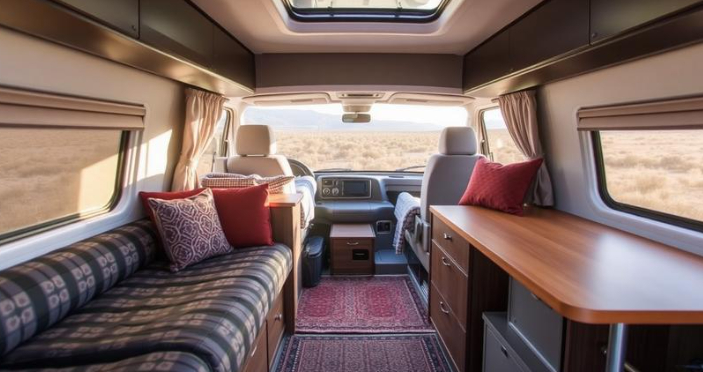
A grey nomad is an older Australian — typically over sixty — who travels Australia for extended periods in a self-contained vehicle. That vehicle might be a caravan towed behind a four-wheel drive, a motorhome, a converted campervan, or even a well-equipped people mover with a rooftop tent. The definition is loose. The lifestyle is not.
Grey nomads are not tourists. They are not backpackers with grey hair. They are people who have made a deliberate choice to trade a fixed address — at least temporarily — for the freedom of the open road. Some do it for six months. Some do it for six years. Some never stop.
What actually defines a grey nomad?
| Characteristic | What it means in practice | Does it apply to you? |
|---|---|---|
| Age 60 or over | The informal starting point — though many start at 55 | Most readers: yes |
| Self-contained travel | Sleeping and cooking in your vehicle or van setup | Required for free camping |
| Extended travel | Weeks to years — not a weekend trip | Your call — no minimum |
| Australia-focused | Travelling within Australia — not overseas retirement | This guide: yes |
| Retired or semi-retired | Not tied to a fixed workplace schedule | Most grey nomads: yes |
The grey nomad movement has grown dramatically since 2015. The combination of superannuation maturity, rising property values giving older Australians accessible equity, and a pandemic-era reassessment of what matters has pushed hundreds of thousands of over-sixties onto Australian roads. You are not joining a fringe movement. You are joining the fastest-growing travel demographic in the country.
2. The Honest Cost of Becoming a Grey Nomad in 2026
This is the section the travel influencers skip. The grey nomad lifestyle can be done cheaply. It can also be done expensively. Most people, in their first year, spend significantly more than they planned. Here is the honest breakdown.
Setup costs — what you actually need to budget
| Item | Budget range 2026 | What seniors should know |
|---|---|---|
| Tow vehicle (used 4WD) | $35,000 — $85,000 | Do not underbuy — towing capacity matters for safety |
| Caravan (used, suitable) | $25,000 — $75,000 | Older vans have hidden costs — always get an inspection |
| Motorhome (used) | $60,000 — $180,000 | All-in-one convenience but higher repair costs |
| Solar and battery setup | $3,000 — $8,000 | Essential for free camping — do not skip this |
| CPAP battery backup | $400 — $1,200 | Non-negotiable if you use a CPAP machine |
| Insurance (vehicle + van) | $2,500 — $5,500 per year | Agreed value — not market value — for older vehicles |
| Registration and roadworthy | $800 — $2,000 | Varies by state — budget before you leave home state |
| Initial supplies and fit-out | $3,000 — $8,000 | Kitchen, bedding, tools, first aid, medications stock |
Weekly running costs — realistic 2026 figures
| Expense | Free camping focus | Mixed camping | Caravan park focus |
|---|---|---|---|
| Fuel | $180 — $280 | $180 — $280 | $180 — $280 |
| Accommodation | $0 — $40 | $80 — $160 | $180 — $380 |
| Food and groceries | $150 — $220 | $150 — $220 | $150 — $220 |
| Medical and pharmacy | $40 — $120 | $40 — $120 | $40 — $120 |
| Activities and dining out | $60 — $200 | $60 — $200 | $60 — $200 |
| Vehicle maintenance | $50 — $150 | $50 — $150 | $50 — $150 |
| Weekly total estimate | $480 — $1,010 | $560 — $1,130 | $660 — $1,350 |
3. Choosing Your Vehicle — Caravan, Motorhome or Van?
The vehicle choice you make before you leave will shape your entire grey nomad experience. There is no universally correct answer. There is only the right answer for your body, your budget, your travel style and your health needs.
| Vehicle type | Best for | Watch out for | Senior health note |
|---|---|---|---|
| Caravan + 4WD | Couples, longer stays, more living space | Reversing difficulty, site access, towing fatigue | Unhitching requires physical strength — assess honestly |
| Motorhome (Class A/B) | Solo travellers, ease of driving, all-in-one | High fuel cost, hard to park in towns, costly repairs | Easier for mobility issues — no separate vehicle to manage |
| Campervan (converted) | Budget travellers, flexibility, lower cost | Limited space, limited facilities, weather exposure | Sleeping height and toilet access critical — check carefully |
| Fifth wheeler | Couples wanting maximum space and stability | Requires specific tow vehicle — expensive combination | Excellent for comfort on longer stays — not for rough tracks |
| Off-road caravan | Remote travel, outback routes, station stays | High purchase cost, heavy fuel consumption | Remote travel requires serious medical planning — see Section 5 |
4. Free Camping Versus Paid Sites — What Grey Nomads Actually Do
The grey nomad community is deeply divided on this topic — and usually wrong on both sides. Free camping advocates claim you can travel Australia for almost nothing. Caravan park loyalists claim free camping is unsafe and unsuitable for seniors. The truth, as always, is more useful than either extreme.
What the research and community data actually shows
- Most experienced grey nomads use a mix of free and paid sites — roughly sixty percent free, forty percent paid in a typical month
- Free camping works best when you are self-contained with solar, water storage and a composting or cassette toilet
- Caravan parks are worth their cost when you need power for medical equipment, a dump point, a hot shower, or a proper laundry
- Rest areas — the roadside stops on highways — are legal for overnight stays in most Australian states with important time limits that vary by location
- The best free camping spots fill fast — arrival before 2pm at popular sites is strongly recommended
Understanding overnight rules at rest areas
Rest areas on Australian highways are primarily designed for driver fatigue management — not extended camping. In most states you can legally stop for up to twenty-four hours. Some allow longer. Some have no signage at all, which creates genuine uncertainty. The rule that applies on arrival is always the rule on the signage present at that location — not anything you read online, including this website.
5. Health on the Road — The Questions Your Doctor Needs to Answer
This is the section that could save your life — or at least save your trip. Health management on the road as a senior grey nomad is not an afterthought. It is a core part of your travel planning. Many grey nomads leave home without having had the honest conversation with their GP that they needed to have.
Before you leave — the medical checklist conversation
- Can my current health conditions be safely managed while travelling — including in remote areas with limited medical access?
- What is my maximum safe distance from hospital-level care given my specific conditions?
- Do I have enough medication to last at least three months — and can my prescriptions be filled in any Australian state?
- Do I require refrigeration for any medications — and do I have a reliable 12V fridge solution in my vehicle?
- Is my CPAP machine compatible with my solar and battery setup — and do I have a backup power source?
- Have I registered with My Health Record so any Australian hospital can access my medical history?
- Do I have private health insurance that covers ambulance transport — including aerial retrieval from remote locations?
Managing specific health conditions on the road
| Condition | Key planning requirement | What to do before leaving |
|---|---|---|
| Sleep apnoea (CPAP) | Reliable overnight power every night | Size your battery bank for two nights without solar input minimum |
| Diabetes (Type 1 or 2) | Insulin refrigeration, consistent meal timing, medical access | Get a 12V medical-grade fridge — not a cheap cooler |
| Blood pressure | Medication supply, stress management, heat management | Three-month supply minimum — heat affects some medications |
| Heart conditions | Maximum distance from cardiac care | Discuss specific distance limits with your cardiologist |
| Mobility limitations | Accessible sites, flat terrain, non-slip surfaces | Research accessible campgrounds before remote routes |
| Kidney conditions | Consistent hydration, access to dialysis if required | Dialysis travel requires advance booking — months ahead |
6. The Age Pension, Centrelink and What Changes When You Leave Home
The financial and government payment implications of the grey nomad lifestyle are rarely discussed openly. They should be. Getting these wrong can cost you thousands of dollars — or disqualify you from payments you have every right to receive.
The Age Pension and travel — what you need to know
- You can receive the Age Pension while travelling within Australia — there is no residency-at-fixed-address requirement for domestic travel
- If you rent your home while travelling, the rental income is assessed as income under the pension income test — this may reduce your pension payment
- If you sell your home, the proceeds are assessed as assets — which may affect your pension eligibility for up to twenty-four months depending on what you do with the funds
- Travelling overseas for more than six weeks can trigger a pension portability review — domestic grey nomad travel does not trigger this
- Your Centrelink address must remain current — use a family member’s address or a postal service address if you have no fixed base
7. Solo Grey Nomads — The Real Safety Picture
Solo grey nomad travel — whether by choice or circumstance — is far more common than the couples-focused travel media suggests. Hundreds of thousands of Australians over sixty travel alone. Many are women who have been widowed or divorced. Many are men who prefer their own company. All of them deserve honest safety information rather than either false reassurance or unnecessary alarm.
Personal safety — five things solo grey nomads need to do
- Establish a daily check-in routine — text or call a named person every morning before you move camp. If they do not hear from you by a set time, they know to call for help.
- Trust your instincts about sites — if a location feels wrong on arrival, leave. No free campsite is worth overriding your gut feeling about personal safety.
- Do not advertise that you are alone — use “we” language in conversation at sites. A second camp chair outside your van costs nothing and sends an ambiguous signal.
- Invest in a personal locator beacon (PLB) — EPIRB devices for land use are available from $250 and are registered with the Australian Maritime Safety Authority. In a genuine emergency in a remote location, this is what saves lives.
- Know the difference between a rest area and a campground — rest areas on highway verges are higher-risk overnight environments than designated campgrounds with other campers present. Solo travellers should lean toward designated sites wherever possible.
Vehicle security for solo grey nomads
- Fit a quality deadlock or caravan door lock — standard caravan locks offer minimal resistance
- Consider a secondary immobiliser system for your tow vehicle or motorhome
- Park with your door facing toward other campers where possible — not toward bushland or away from sight lines
- Do not display high-value items — laptops, camera equipment and cash visible through windows attract attention
For a detailed guide to protecting your vehicle and van from theft and break-in, read our guide to how caravan theft happens in Australia — it covers the specific tactics thieves use and exactly how to counter them.
8. The Relationship Reality — What Travel Does to Couples
Nobody in the grey nomad world talks about this enough. The fantasy of the open road — two people, one vehicle, infinite freedom — collides with reality inside about three weeks for most couples who have never lived in a small space together full time. That collision is not a sign your relationship is broken. It is a sign you are human.
What couples consistently report in their first year
- The driving and navigation dynamic often surfaces existing communication patterns — both good and difficult ones
- Decisions that were easy at home (where to eat, when to move, how long to stay) become sources of friction when you make them every single day
- One partner typically wants to move faster, the other slower — this rarely resolves itself without an explicit conversation
- The partner who managed the home often has a harder adjustment than the partner who worked outside the home — roles and routines that gave structure disappear overnight
- Social isolation affects some couples more than others — particularly if one partner is significantly more extroverted than the other
9. Planning Your First Grey Nomad Route
The biggest planning mistake first-time grey nomads make is covering too much distance too quickly. Australia is enormous. The temptation to see everything in one trip leads to exhaustion, mechanical strain on your vehicle, and missing the places worth staying for longer. Experienced grey nomads drive less and stay longer. This is not a compromise — it is the upgrade.
Driving notes for senior grey nomads — before you plan your route
- Maximum daily driving distance: Most senior grey nomads report that 300 to 350km per day is a comfortable maximum when towing. Beyond that, fatigue becomes a genuine road safety issue.
- Rest stops: Plan a minimum fifteen-minute break every two hours — not just when you feel tired. Fatigue is not always felt before it becomes dangerous.
- Towing and road conditions: Many popular grey nomad routes include unsealed sections. Confirm your tow vehicle and caravan combination is rated for the roads you plan to drive — not just the sealed highways.
- Fuel range: In remote Australia, fuel stops can be 250km or more apart. Always carry additional fuel if your route includes outback sections. Do not rely on the fuel stop being open when you arrive.
- Time of year matters enormously: The Top End in wet season, the outback in summer, and alpine roads in winter all present conditions that are genuinely dangerous for unprepared travellers.
The classic first grey nomad routes
| Route | Best season | Approximate duration | Senior suitability |
|---|---|---|---|
| East Coast — Sydney to Cairns | April to October | 6 to 10 weeks | Excellent — sealed roads, services everywhere |
| The Nullarbor crossing | April to October | 2 to 3 weeks | Good — long distances between fuel stops, plan carefully |
| The Top End loop | May to September only | 8 to 12 weeks | Moderate — some unsealed roads, heat management essential |
| The Great Ocean Road and SA | October to April | 4 to 6 weeks | Excellent — stunning scenery, short daily drives possible |
| NSW South Coast to Queensland | Year-round | 4 to 8 weeks | Excellent — our most-covered route on this site |
10. The Grey Nomad Community — Where to Find Your People
One of the things travel brochures get right is the community aspect of grey nomad life. One of the things they get wrong is how easy it is to find. The community exists — it is warm, generous and genuinely helpful. But it does not come to you. You have to go to it, particularly in the early months before you have established your own rhythms and networks.
Where the grey nomad community actually gathers
| Location or platform | What you find there | Why seniors value it |
|---|---|---|
| Caravan park camp kitchens | Informal nightly gatherings — the best conversations happen here | Low barrier, no commitment, instant connection |
| Free camping spots | Often the same community of travellers reappears across multiple stops | Shared experience creates fast bonds |
| Facebook groups (Camps Australia Wide, Grey Nomads Australia) | Route advice, site reviews, safety alerts, community support | Active, responsive and senior-friendly in tone |
| Camps Australia Wide app | The best single resource for finding free and low-cost camps | GPS-based, user-reviewed, constantly updated |
| Caravan and camping shows | Pre-departure community and information — also the best place to buy equipment | Face-to-face advice from experienced travellers |
For more on the full-time van life lifestyle — including the emotional and practical reality of living in a small space — our guide to living in a camper covers the daily realities that most guides skip over.
11. What Nobody Tells You About Grey Nomad Life
This section exists because the gap between the grey nomad fantasy and the grey nomad reality is where most people either fall in love with the lifestyle permanently or decide it is not for them. Both outcomes are valid. What is not valid is being surprised by things that are entirely predictable.
The things experienced grey nomads consistently wish they had known
- Maintenance is relentless. Caravans and motorhomes vibrate constantly at highway speed. Things loosen, crack, leak and fail on a timeline that will surprise you. Budget time and money for this — it is not bad luck, it is physics.
- The first three months are the hardest. Almost every long-term grey nomad reports that the first three months were the most difficult — logistically, emotionally and relationally. The ones who pushed through to month four almost universally say they would not go back.
- You will miss your grandchildren more than you expected. For many grey nomads over sixty-five, this is the hardest part of the lifestyle. Plan for it — schedule video calls, plan return visits, and be honest with yourself about how much proximity to family you actually need.
- Weather will change your plans more than anything else. The grey nomad fantasy involves warm evenings and clear skies. Reality involves rain that traps you at a site for four days, wind that makes towing genuinely dangerous, and heat that makes an unshaded rest area uninhabitable by 9am.
- You will spend more time stationary than moving. Experienced grey nomads move camp every three to five days on average — not every day. The sites you stay at for a week become more meaningful than the ones you passed through in an afternoon.
- Your stuff is not as important as you think. Almost every grey nomad who has been on the road for more than six months reports that they wish they had brought less and that downsizing the van load was liberating, not limiting.
12. Grey Nomad Security — Protecting Your Home on Wheels
Your caravan or motorhome is not just a vehicle — it is your home, your medical equipment store, your financial asset and your entire comfortable life packed into a metal box on wheels. Protecting it deserves serious thought, not afterthought.
The security basics every grey nomad needs in place
- Hitch lock: A quality hitch lock prevents opportunistic theft of your van while you are away from your vehicle. Buy a quality steel unit — cheap ones can be cut in under thirty seconds.
- Wheel clamp: Highly visible deterrent at overnight stops — particularly effective at free camping sites with higher traffic.
- Secondary vehicle immobiliser: Factory-fitted immobilisers are increasingly bypassed by modern relay theft techniques. A secondary hidden immobiliser system adds a second layer that most thieves cannot defeat quickly.
- Caravan GPS tracker: If your van is taken, a hidden GPS tracker is your best chance of recovery before your contents are removed. Placement matters — discuss options with a security installer.
- Contents documentation: Photograph and record serial numbers for all valuables before you leave. Store this information in cloud storage — not only on the device that may be stolen.
- Insurance review: Confirm your insurance covers theft of contents including medical equipment, laptops and cameras. Many standard caravan policies have low contents limits.
13. Your Grey Nomad Pre-Departure Checklist
The departure checklist below is built specifically for senior grey nomads aged sixty and over. It covers the health, legal, financial and practical items that standard grey nomad checklists consistently miss.
| Item | Why it matters for grey nomads | Done |
|---|---|---|
| GP pre-departure health review | Confirms fitness to travel and identifies any conditions requiring planning | ☐ |
| Three-month medication supply arranged | Rural pharmacies may not stock your specific medications | ☐ |
| My Health Record activated and updated | Any Australian hospital can access your history in an emergency | ☐ |
| Ambulance cover confirmed — all states | Medicare does not cover ambulance in most states | ☐ |
| Vehicle and caravan insurance reviewed | Confirm agreed value cover and contents limits | ☐ |
| CPAP battery backup tested at home | Test real-world performance before relying on it in the field | ☐ |
| Solar and battery system load-tested | Know your actual daily draw versus your battery capacity | ☐ |
| Emergency contact list laminated in vehicle | Readable if your phone battery is flat or device is lost | ☐ |
| Personal Locator Beacon registered and packed | AMSA registration is free — the beacon could save your life in a remote emergency | ☐ |
| Centrelink address updated | Use a family member or postal service address — payments depend on this | ☐ |
| Financial adviser consultation completed | Pension implications of renting or selling home confirmed before you act | ☐ |
| Free camping resource downloaded offline | Mobile data is unreliable in remote areas — download maps and camp guides before you lose signal | ☐ |
COPY PROMPT ➔ ASK AI ➔ SAVE TO FORM ➔ ADD SPOT PIN ➔ GET DIRECTIONS
📍 Interactive map — find free camps, rest areas and overnight stops across Australia. Enable location for best results.
14. GPS, Postcodes and Contacts Every Grey Nomad Needs Saved
The contacts and resources below are ones every grey nomad should have saved offline before leaving mobile coverage. Save them to your phone notes, print them and keep them in your glovebox, or photograph this page. Access to the right number at the right moment is not a luxury — it is a safety requirement.
| Service | Contact or address | Number or GPS | Notes |
|---|---|---|---|
| Emergency — all states | Australia-wide | 000 | Police, fire, ambulance — works on any network including no-credit mobile |
| Healthdirect 24/7 nurse line | Australia-wide | 1800 022 222 | Free health advice from registered nurses — available midnight to dawn |
| NRMA / RAA / RAC roadside | Australia-wide | 13 11 11 | Confirm your membership covers towing of caravan combination |
| AMSA Emergency Beacon | Australia-wide registration | 1800 406 406 | Register your PLB before you leave — registration is free |
| Centrelink — seniors line | Australia-wide | 132 300 | For pension payment and address update queries while travelling |
15. Frequently Asked Questions — Grey Nomads 2026
What exactly is a grey nomad?
A grey nomad is an older Australian — typically over sixty — who travels Australia for an extended period in a self-contained vehicle such as a caravan, motorhome or campervan. The term is informal and self-applied. There is no minimum trip length, no registration requirement and no official definition. What distinguishes grey nomads from ordinary tourists is the extended nature of their travel — weeks to years rather than days — and their self-contained setup that allows them to sleep, cook and live independently of fixed accommodation.
How much does it cost to become a grey nomad?
Setup costs in 2026 typically range from $60,000 to $180,000 depending on your vehicle choice and how much you already own. Weekly running costs range from approximately $480 per week for a disciplined free-camping-focused approach to $1,350 per week for those who stay primarily in powered caravan park sites. Most grey nomads find their actual costs land somewhere between these figures and are higher in their first year than in subsequent years as they learn to use free camping strategically.
Can I receive the Age Pension while travelling as a grey nomad?
Yes — you can receive the Age Pension while travelling within Australia. Domestic travel does not affect your pension eligibility or payment in the same way as overseas travel. However, renting your home while travelling creates assessable income that may reduce your payment under the income test. Selling your home creates assessable assets. Both scenarios require financial advice specific to your situation before you act. The Centrelink seniors line is 132 300 and can answer general payment questions.
Is free camping legal for grey nomads in Australia?
Free camping — staying overnight without paying at a rest area, national park campground, crown land or private property with permission — is legal in Australia subject to specific local rules that vary by location and jurisdiction. Rest areas on state highways generally permit overnight stays of up to twenty-four hours as a driver fatigue measure. National park campgrounds may be free or low-cost with a permit. Crown land rules vary significantly by state. Always check current signage on arrival — rules change without notice and the signage present at your location takes legal precedence over any information published online.
What is the best vehicle for a senior grey nomad?
There is no single best vehicle — the right choice depends on your health, budget, travel style and whether you travel solo or as a couple. Motorhomes offer the greatest convenience for solo travellers and those with mobility considerations. Caravan and 4WD combinations offer the most flexibility for couples wanting separate vehicle use at destinations. Converted campervans offer the lowest cost but the most limited facilities. The most important factor for senior travellers is honest assessment of what you can physically manage alone — including unhitching, levelling and setting up camp without assistance.
How do I manage my CPAP machine as a grey nomad?
CPAP management on the road requires a properly sized lithium battery bank capable of running your specific machine for at least two nights without solar recharge. Most CPAP machines draw between 30 and 60 amp-hours per night depending on pressure settings and whether a heated humidifier is used. A 100Ah lithium battery provides approximately one to two nights of runtime for most machines. A 200Ah battery bank with a 200-watt solar panel provides comfortable ongoing power in reasonable weather. Test your specific setup at home for at least two nights before relying on it in the field.
Is grey nomad travel safe for solo women over 60?
Solo women travel as grey nomads in large numbers across Australia — it is far more common than media coverage suggests and far safer than many people assume. Practical safety measures make a significant difference: establish a daily check-in routine with a named contact, carry a registered personal locator beacon, trust your instincts about site selection, and engage with the established grey nomad community rather than camping in complete isolation. Designated campgrounds with other travellers present are generally safer overnight environments than isolated highway rest areas for solo travellers of any gender.
What should I do if I get sick in a remote area?
Call 000 for any medical emergency — this works on any mobile network including when you have no data credit and even on networks other than your own provider. For non-emergency health questions, Healthdirect on 1800 022 222 provides free nurse advice twenty-four hours a day. If you are in a location without mobile coverage, activate your personal locator beacon for life-threatening emergencies — this triggers a search and rescue response. For this reason, carrying a registered PLB is considered essential equipment for any grey nomad travelling in remote or regional Australia.
How long do most grey nomads travel before coming home?
Survey data from the grey nomad community consistently shows that the most common trip duration for first-time grey nomads is three to six months. Experienced grey nomads — those on their second or third trip — typically extend to twelve to twenty-four months. A significant proportion of grey nomads who intend to travel for six months end up travelling for two years or more once they experience the lifestyle. The reverse also happens — some travellers discover within a few months that they prefer a fixed base and return home earlier than planned. Both outcomes are valid. The lifestyle suits some people profoundly and does not suit others at all. There is no failure in discovering which category you fall into.
16. Final Verdict — Should You Become a Grey Nomad?
Grey nomad life in 2026 is more accessible, better resourced and more supported by community than at any point in its history. The free camping network across Australia has never been better documented. The grey nomad community has never been larger or more welcoming. The vehicles available — from affordable used campervans to well-appointed motorhomes — cover every budget point. The barriers to entry are lower than ever. And the genuine rewards — freedom, community, perspective, the reclamation of time that retirement finally makes possible — are as real as the travel magazines suggest they are.
But this guide exists because the rewards are not automatic and the risks are not trivial. The grey nomads who thrive are the ones who planned honestly, budgeted realistically, had the health conversations they needed to have, chose a vehicle they could actually manage, and held their expectations loosely enough to let the road surprise them. The ones who struggle are the ones who left with a fantasy and were not prepared for the reality. You have now read the reality. The decision is entirely yours — and it is a good one to make with your eyes open.
Strengths: Genuine freedom, extraordinary community, Australia’s free camping network is world-class, the lifestyle genuinely improves wellbeing for most people who commit to it properly.
Honest challenges: Setup costs are higher than most first-timers expect, health management requires serious pre-departure planning, relationship dynamics under travel conditions are not always what couples anticipate, and the first three months are harder than the travel media will ever tell you.
Our honest recommendation: Do a trial run of four to six weeks before committing to a full lifestyle change. Use that trial to test your vehicle, your health management systems, your relationship dynamics on the road, and your actual weekly costs. Then decide. The grey nomads who leave with that experience behind them start their real trip with a significant advantage over those who drive off cold.
- Bermagui Rest Area — Free Camping Guide 2026
- Narooma Rest Areas — Free Camping Guide 2026
- Merimbula Rest Areas — Free Camping Guide 2026
- Bega Rest Areas — Free Camping Guide 2026
- NSW South Coast Free Camping Hub
- Rest Areas NSW — Complete Senior Grey Nomad Guide
- Free Camping NSW — The Complete 2026 Guide
- Vanlife Savings Spots — Free Camping Across Australia
- Best Routes to Drive Around Australia — Grey Nomad Guide
- Living in a Camper — The Honest Senior Guide
- How Long Can You Stay in a Caravan Park Australia
- How Caravan Theft Happens in Australia — Grey Nomad Security Guide
Free campsites and powered sites fill fast during school holidays and peak season. If your preferred site is already gone, search remaining accommodation options below.
Accommodation search powered by Expedia. Booking through this search supports this website at no extra cost to you. As an affiliate, I earn from qualifying purchases at no extra cost to you.

As an affiliate, I earn from qualifying purchases at no extra cost to you.
Exclusive Offer: Get 5% OFF all StarterStopper immobiliser products with promo code: RTV5
Visit StarterStopper.com to see our data-backed security solutions
As an affiliate, I earn from qualifying purchases at no extra cost to you.