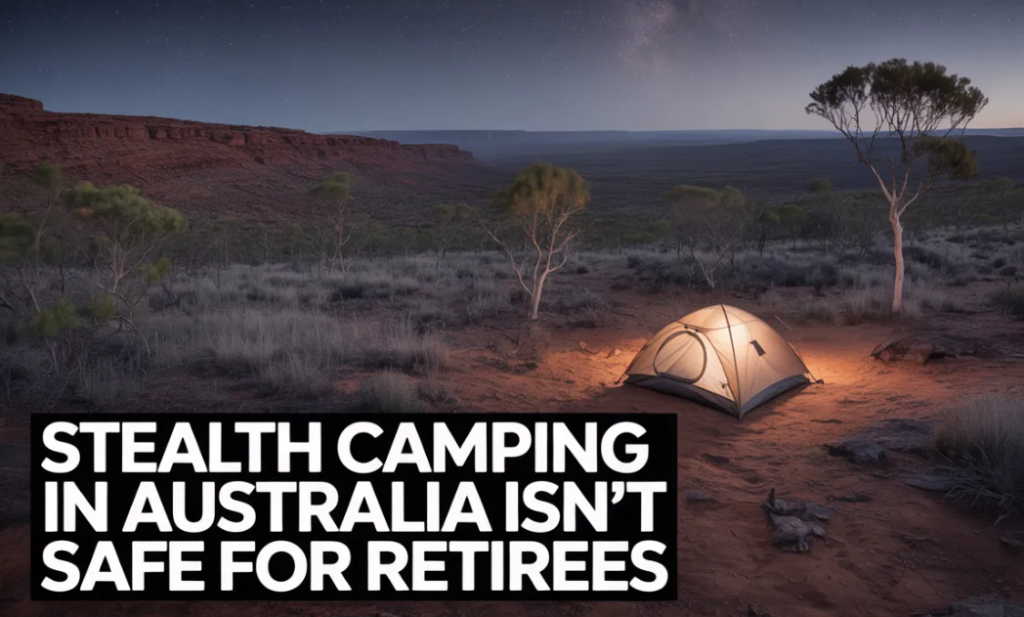
Stealth Camping in Australia Isn’t Safe – Retirees Take Note
Stealth camping may seem adventurous, but for retirees it can quickly turn risky. You might think a stealthy van keeps you invisible, but retirees face very real dangers. In “Stealth Camping in Australia Isn’t Safe – Retirees Take Note,” we explain why things like magnetic business signs, high-vis safety gear, or even fast-food wrappers left in your van can signal “treasure inside” to thieves.
Discover how break-ins, tool theft, and a ringing phone can ruin your trip — and learn practical ways to protect yourself while still enjoying the freedom of exploring Australia.
Stealth camping might seem adventurous, but stealth camping is dangerous for retirees. Even if a van looks ‘stealthy,’ older travellers face real risks, from theft and legal trouble to health emergencies.
Why Stealth Camping Can Be Risky
Stealth camping is often promoted as a clever way to save money or avoid crowded caravan parks, but the reality is far less romantic — especially for older travellers. Beyond the obvious security concerns, there are legal, environmental, and health-related risks that many retirees don’t consider until it’s too late.
Legal Issues: Stealth Camping Is Often Illegal
Most public land in Australia — including parks, rest areas, beaches, reserves, and roadside verges — prohibits overnight camping without permission. Even if signage isn’t obvious, councils and national parks enforce these rules aggressively.
Penalties can include:
- on-the-spot fines
- being moved on in the middle of the night
- vehicle towing
- court-issued penalties for repeat offences
For retirees, dealing with fines or a towed vehicle isn’t just inconvenient — it’s stressful, expensive, and can derail an entire trip.
Safety Hazards: Nature Doesn’t Care How “Stealthy” You Are
Australia’s environment is beautiful, but it’s also unpredictable. Stealth camping often means parking in places that were never meant for overnight stays.
Wildlife Encounters
Snakes, spiders, dingoes, and even aggressive birds can pose risks, especially in rural or bush areas. A poorly lit, isolated spot increases the chance of a dangerous encounter.
Environmental Dangers
Stealth campers often park near rivers, creeks, or bushland — areas prone to:
- flash flooding
- falling branches
- bushfires
- unstable ground
These hazards can escalate quickly, especially at night.
Isolation Risks
If something goes wrong — a fall, a medical emergency, a vehicle issue — help may be far away. For retirees, delayed assistance can turn a minor problem into a life-threatening situation.
Vehicle Security and Theft: Stealth Camping Attracts Criminals
A van parked alone in a dark, unmonitored area is a magnet for thieves. And retirees, unfortunately, are often seen as easier targets.
What Thieves Look For
Criminals don’t need much to decide your van is worth breaking into. Common giveaways include:
- magnetic business signs (suggesting expensive tools inside)
- high-vis gear (tradie = tools = money)
- fast-food wrappers (indicating someone is living inside)
- solar panels or roof vents
- window covers or cracked windows
- movement or light leaks
Even a ringing phone can tell a thief someone is inside — and vulnerable.
Break-Ins Happen Fast
A thief can break into a van in under 20 seconds using:
- a screwdriver
- a punch tool
- a rock
- a cordless drill
They don’t care if you’re asleep. They don’t care if you’re older. They care about the opportunity that stealth camping creates.
Lack of Amenities: Comfort and Health Decline Quickly
Stealth camping means no access to:
- toilets
- clean water
- waste disposal
- showers
- power
- safe cooking areas
For retirees, this isn’t just inconvenient — it can be unhealthy.
Health Concerns Include:
- dehydration
- poor hygiene
- difficulty managing medications
- increased fall risk in dark or uneven areas
- strain from lifting, bending, or walking long distances
Why Stealth Camping Poses Unique Risks for Retirees
Retirees often travel to relax and enjoy freedom — not to manage avoidable risks. Stealth camping removes many of the safety nets older travellers rely on, and that can turn a simple overnight stop into a stressful or dangerous situation.
Health and Emergency Concerns
As we age, the likelihood of needing medication, mobility support, or urgent medical attention increases. Stealth camping frequently places travellers far from:
- hospitals
- reliable phone reception
- other campers or witnesses
- emergency services
A fall, dizziness, chest pain, dehydration, or vehicle issue can escalate quickly when help isn’t nearby.
Mobility and Physical Strain
Overnight stops in unplanned or off-grid locations often require:
- climbing in and out of the van
- walking on uneven ground
- bending or lifting gear
- navigating poorly lit surroundings
These tasks can increase fall risk or physical strain, especially at night.
Increased Vulnerability
Opportunistic criminals often look for easy targets, and retirees may be perceived as:
- slower to react
- less able to physically respond
- travelling alone
- carrying valuables or medications
Stealth camping in isolated or unmonitored areas increases exposure to this type of risk.
Stress Instead of Peace of Mind
Travel should feel enjoyable — not tense. Concerns about:
- rangers knocking late at night
- theft or vandalism
- wildlife activity
- legal uncertainty
- being moved on unexpectedly
can replace relaxation with constant vigilance.
Why Planning Matters More With Age
Retirees typically benefit from environments that provide:
- predictable access to help
- safer footing and lighting
- nearby amenities
- legal certainty
- stable overnight conditions
Choosing recognised camping locations helps maintain comfort, confidence, and peace of mind while travelling.
Stealth camping may appeal as a cost-saving tactic, but for retirees the combination of legal, physical, and safety risks often outweighs any perceived benefit.
Safer Alternatives to Stealth Camping
Understanding why stealth camping is dangerous for retirees can help you choose legal and safe overnight stops, reducing risk and stress.
- National and State Park Campgrounds — Quiet, scenic, and affordable, often cheaper than private parks.
- Free or Low-Cost Rest Areas — Many allow overnight stays for self-contained vehicles.
- Van-Friendly Town Sites — Some towns provide designated low-cost camping to support local tourism.
- Showgrounds and Community Sites — Often spacious, safe, and inexpensive.
- Caravan Parks (Occasionally) — Great for rest days, laundry, showers, and recharging.
Finding Safe Stops More Easily
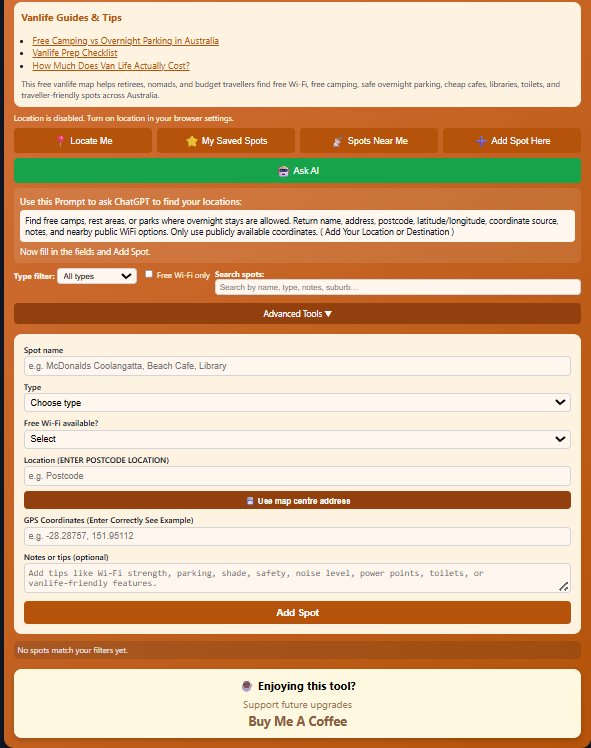
Instead of relying on stealth tactics, many travellers now use location tools to identify legitimate overnight options ahead of time.
Vanlife Savings Spots is one such resource designed to surface free and permitted stopovers, helping reduce fines, stress, and wasted fuel searching in the dark.
You can explore it here: Vanlife Savings Spots
Key Takeaways
- Stealth camping in Australia is often illegal and mostly unsafe.
- Retirees face higher risks due to health, mobility, and security concerns.
- Wildlife, environmental hazards, and isolation increase danger.
- Thieves target vans that look lived-in or “tradie-like.”
- Legal, well-equipped camping spots offer safety, comfort, and peace of mind.
- Always check local regulations and prepare for emergencies before travelling.
Retirees’ Vanlife: Living in a Freezer and an Oven
One of the biggest dangers of stealth camping — especially for retirees — is temperature control. Most stealth-style vans are built to “look normal,” which means:
- no windows
- no roof vents
- no airflow
- no insulation
- no safe way to cool or heat the interior
This creates a dangerous environment that can swing between extreme cold and extreme heat.
Overheating: The “Oven Effect”
- 40°C in minutes
- 50°C+ in under an hour
For retirees, overheating can cause:
- dehydration
- heat exhaustion
- heat stroke
- confusion or dizziness
- heart strain
And because stealth camping requires keeping windows covered or closed, you can’t safely cool down.
Freezing: The “Freezer Effect”
- cold
- damp
- uncomfortable
- unsafe for older adults
Cold stress can trigger:
- joint pain
- breathing issues
- heart problems
- poor sleep
- increased fall risk when stiff or shivering
Frequently Asked Questions (FAQs)
Is stealth camping legal in Australia?
In most cases, no. Many councils, national parks, beaches, and roadside areas prohibit overnight camping unless you’re in a designated site. Even if signs aren’t obvious, rangers still enforce the rules. Retirees risk fines, being moved on at night, or even having their vehicle towed.
Why is stealth camping unsafe for retirees specifically?
Retirees face higher risks because of:
- medical needs
- mobility limitations
- slower emergency response times
- increased vulnerability to theft
- difficulty navigating uneven or unsafe terrain
Stealth camping adds stress and removes access to amenities that older adults often rely on.
Can thieves really tell if someone is living in a van?
Yes — and they’re very good at it. Thieves look for:
- magnetic business signs
- high-vis gear
- food wrappers
- window covers
- cracked windows
- solar panels
- movement inside
- light leaks
Even a ringing phone can signal that someone is inside and vulnerable.
Is it safe to sleep in a van in remote areas?
Not usually. Remote areas increase risks from:
- wildlife
- flooding
- bushfires
- unstable ground
- isolation during emergencies
- lack of phone reception
For retirees, delayed help can be life-threatening.
What are the fines for illegal camping?
Fines vary by council but commonly range from $150 to over $600. Some councils also issue multiple fines for:
- illegal camping
- parking violations
- environmental breaches
In extreme cases, vehicles can be towed.
What should retirees do instead of stealth camping?
Safer alternatives include:
- national park campgrounds
- low-cost council sites
- showgrounds
- van-friendly town sites
- caravan parks (even occasionally)
These options offer safety, amenities, and peace of mind.
Is stealth camping ever worth the risk?
For retirees, no. The combination of legal issues, safety hazards, theft risk, and lack of amenities makes stealth camping a poor choice. The stress alone can ruin a trip that’s meant to be relaxing.
How can retirees stay safe while travelling Australia?
- Plan ahead
- Use legal campsites
- Keep valuables hidden
- Avoid isolated areas
- Maintain good lighting
- Carry emergency supplies
- Check local regulations
- Stay connected with family or travel groups
The Bottom Line
A stealth van is designed to be invisible — not comfortable, not safe, and definitely not suitable for retirees who need stable temperatures and proper ventilation.
Conclusion
Stealth camping might look harmless on YouTube, but the risks are very real — and I’m not speaking in theory. Everything outlined here comes from lived experience, real observations, and genuine concerns I’ve seen retirees face on the road. Break-ins, overheating, freezing nights, wildlife encounters, legal trouble, and the simple reality of getting older all combine to make stealth camping far more dangerous than most people realise.
These aren’t hypotheticals. They’re real risks that I’ve personally witnessed and documented, and they’re exactly why I urge retirees to choose legal, well-equipped, properly ventilated camping options. You can still enjoy the freedom of vanlife — just without gambling your safety to do it.

As an affiliate, I earn from qualifying purchases at no extra cost to you.
As an affiliate, I earn from qualifying purchases at no extra cost to you.