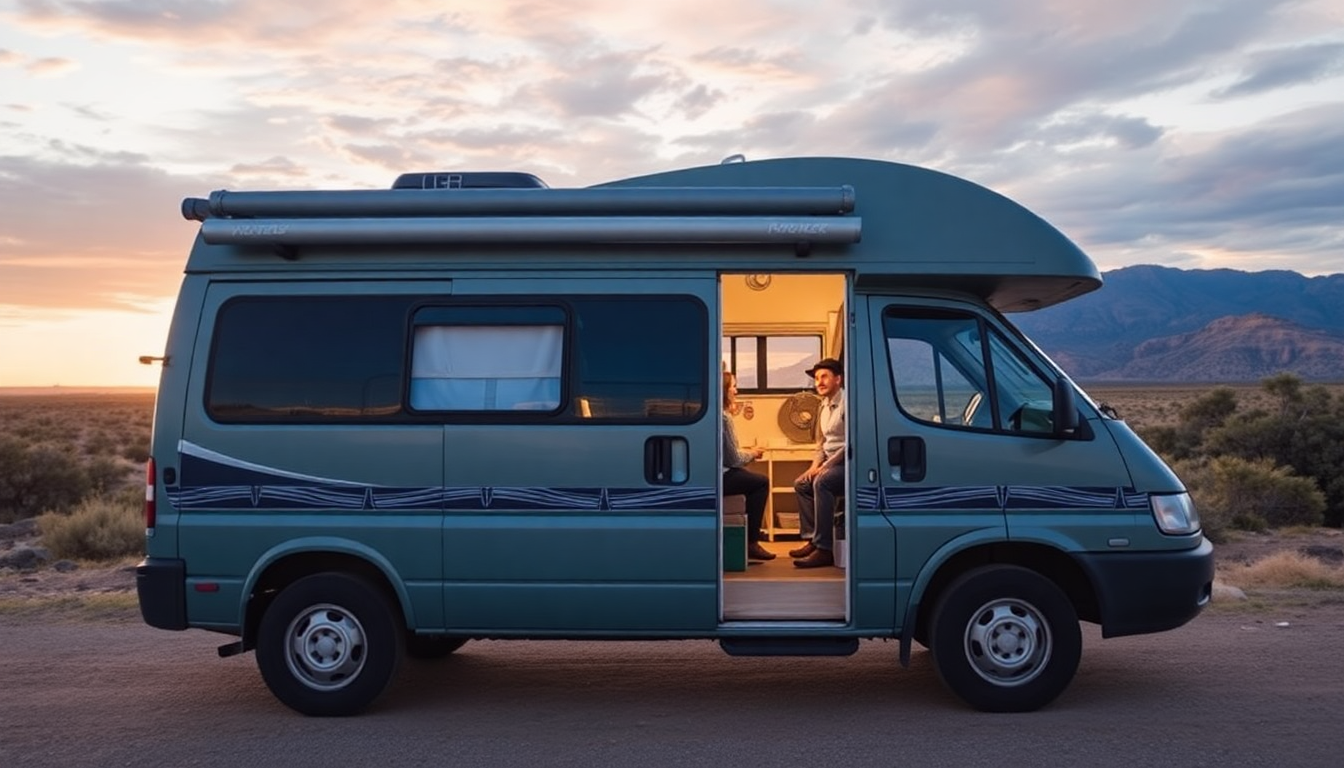
Life on the Road: What It Really Means for Australians Planning Long-Term Van Life
For many Australians, life on the road represents freedom from fixed housing, rising living costs, and rigid daily routines. The ability to travel at your own pace, choose where to wake up, and simplify life is deeply appealing — especially for retirees, grey nomads, and those downsizing later in life.
But life on the road isn’t just an extended holiday. Once travel becomes full-time or semi-permanent, everyday systems that were once automatic — housing, healthcare, vehicle reliability, budgeting, and security — must be replaced with mobile alternatives that work consistently across regional and remote Australia.
Understanding how life on the road actually functions is the difference between a sustainable lifestyle and one that becomes stressful, expensive, or short-lived.
Life on the Road vs Travel: A Critical Distinction
One of the biggest misconceptions is confusing life on the road with travel. Travel is temporary; life on the road is operational.
When living on the road, your vehicle becomes:
-
Your primary residence
-
Your transport infrastructure
-
Your storage unit
-
Your emergency fallback
-
Your security perimeter
Route planning is no longer about scenic detours alone — it now includes fuel availability, road conditions, weather exposure, and access to essential services. Parking decisions affect safety, legality, and risk of theft. Time off the road must account for maintenance windows, not just rest days.
For Australians covering long distances between towns, this distinction is essential.
What Does “Life on the Road” Really Mean?
Life on the road is a long-term lifestyle where a person lives and travels full-time (or most of the year) in a vehicle such as a van, motorhome, or caravan. It replaces fixed housing with mobile systems for accommodation, transport, budgeting, healthcare access, and personal security.
Unlike short trips or holidays, it requires ongoing planning around vehicle reliability, costs, safety, and daily logistics. It is especially relevant for retirees, solo travellers, and those looking to downsize while maintaining independence.
How Life on the Road Works in Practice
Living on the road works by combining several mobile systems that replace traditional home-based living:
-
A road-worthy vehicle that functions as both transport and living space
-
Predictable budgeting for fuel, maintenance, insurance, and accommodation
-
Planned access to healthcare, supplies, and connectivity
-
Security measures to protect the vehicle and belongings
-
Flexible routines that adapt to weather, distance, and fatigue
When these systems are balanced, life on the road can be sustainable for years rather than months.
Who Is Life on the Road Best Suited For?
This lifestyle suits people who:
-
Are comfortable with change and flexible routines
-
Prefer experiences over possessions
-
Can manage basic planning and logistics
-
Have realistic expectations about costs and comfort
-
Want location freedom without relying on constant movement
It is particularly popular among retirees and grey nomads who want to downsize without giving up independence.
Life on the Road vs Van Life
Van life is a type of life on the road, but not all life on the road is van life.
-
Life on the road refers to the lifestyle itself, regardless of vehicle type.
-
Motorhomes, caravans, and converted buses are all life on the road but require different levels of cost, comfort, and planning.
Is Life on the Road Cheaper Than Living in One Place?
It can be, but not automatically. Savings often come from:
-
Eliminating rent or mortgage costs
-
Reducing household utilities
-
Downsizing possessions
Costs increase in areas such as fuel, vehicle maintenance, insurance, and repairs. Long-term affordability depends on driving habits, vehicle choice, and careful planning — not just lifestyle enthusiasm.
Common Mistakes to Avoid
Many newcomers treat life on the road like an extended holiday. This can cause stress and unexpected expenses. Key mistakes include:
-
Ignoring vehicle maintenance and repair downtime
-
Failing to plan for healthcare or changing health needs
-
Rushing into full-time travel without testing first
Avoiding these mistakes significantly increases the chance that life on the road remains enjoyable long-term.
Can You Try Life on the Road Without Committing Full-Time?
Yes. Many start with:
-
Extended trips or seasonal travel
-
Part-year road living
This allows you to:
-
Test costs and routines
-
Learn vehicle limitations
-
Adjust comfort expectations
-
Identify gaps in planning
A gradual transition is one of the most reliable ways to succeed.
Why Life on the Road Appeals After 50
For Australians over 50, the lifestyle is appealing for practical reasons:
-
Downsizing from high-cost housing markets
-
Stretching retirement income further
-
Flexibility around climate and seasonal travel
-
Fewer work or family location constraints
-
Preference for experiences over possessions
Later-life life on the road also comes with unique considerations: health access, mobility, recovery time, and tolerance for uncertainty. Planning must be age-aware, risk-aware, and cost-aware.
The Core Systems That Make Life on the Road Sustainable
1. Financial Planning
-
Fuel (often underestimated)
-
Vehicle servicing and unexpected repairs
-
Insurance (vehicle, contents, health)
-
Campsites or paid overnight stays
-
Connectivity (mobile data, boosters, backup SIMs)
-
Registration and compliance costs
Reliable budgeting is essential; cash flow consistency matters more than headline savings.
2. Vehicle Reliability
-
Preventative maintenance
-
Conservative driving distances
-
Budgeting for downtime, not just repairs
In Australia, breakdowns outside major centres can take days to resolve. Planning for this is part of making life on the road viable.
3. Security
-
Immobilisers to prevent drive-away theft
-
Physical deterrents when parked
-
Smart parking habits
-
Awareness of regional risks
Ignoring security is one of the fastest ways life on the road turns stressful.
4. Health and Access
-
Telehealth access and reliable internet
-
Medication and script management
-
Recovery time after illness or injury
-
Heat, cold, and fatigue management
Resilience and fallback options reduce stress and increase confidence.
5. Social Considerations
-
Comfort with alone time
-
Intentional social contact
-
Routine and structure
-
Clear purpose beyond novelty
Life on the road is rewarding when it aligns with personal values, not just social media expectations.
Testing Life on the Road Before Committing
Treat life on the road as a progressive experiment:
-
Extended trips instead of short weekends
-
Travel in different seasons
-
Simulate full-time costs
-
Practice maintenance and logistics
-
Honestly assess fatigue and enjoyment
This early testing reveals gaps that are easy to fix before committing full-time.
Structured Planning Matters
Success requires realism. People who thrive long-term:
-
Use checklists and readiness assessments
-
Learn from others’ mistakes
-
Build margins into time, money, and energy
-
Accept trade-offs rather than chase perfection
The goal is not to remove risk — it is to manage it.
Life on the Road as a Long-Term Lifestyle
At its best, life on the road offers Australians a flexible, lower-overhead, experience-rich lifestyle — especially in retirement. At its worst, it amplifies stress, cost overruns, and uncertainty if approached unprepared.
The difference lies in expectations, systems, and honesty. Done right, life on the road is about building a mobile life that works even when the novelty wears off.
Frequently Asked Questions About Life on the Road
1. What does “life on the road” really mean?
Life on the road is a full-time or long-term mobile lifestyle where your vehicle becomes your home, transport, storage, and security base. It involves planning for finances, healthcare, vehicle reliability, and daily logistics — not just travelling.
2. How is life on the road different from travel?
Travel is temporary, often short-term, while life on the road is operational. Your vehicle must function as a home, and your routines, budgeting, and security all need long-term planning.
3. Who is life on the road suitable for?
It suits people comfortable with change, flexible routines, and minimal possessions. It’s especially popular among retirees, grey nomads, and solo travellers seeking freedom without the cost of fixed housing.
4. Is van life the same as life on the road?
Not exactly. Van life is a type of life on the road specifically using a van as your living space. Life on the road can include motorhomes, caravans, or converted buses.
5. Can life on the road be cheaper than traditional living?
It can, mainly by eliminating rent/mortgages and downsizing possessions, but costs like fuel, maintenance, insurance, and campsites must be planned carefully. It’s cheaper only if budgets are realistic.
6. What are common mistakes people make on the road?
Treating it as a permanent holiday, underestimating vehicle maintenance, ignoring security, failing to plan for healthcare, and rushing into full-time travel without testing.
7. Can you try life on the road without committing full-time?
Yes. Many people start with extended trips, seasonal travel, or part-year road living. This helps test routines, budgets, and vehicle limitations before committing long-term.
8. What systems are essential for sustainable life on the road?
Key systems include: reliable vehicle maintenance, predictable budgeting, security measures, health and telehealth access, connectivity, and flexible daily routines.
9. How important is vehicle reliability?
Extremely. Your vehicle is your home and transport. Breakdowns disrupt everything — safety, accommodation, and supplies. Regular maintenance and conservative driving are essential.
10. How can you stay safe and secure on the road?
Use immobilisers, physical deterrents, secure parking, and be aware of regional crime patterns. Security planning prevents theft and protects your mobile lifestyle.
11. Is life on the road socially isolating?
It can be. While communities exist, daily life often involves stretches of solitude. Comfort with alone time, intentional social contact, and routines help maintain mental wellbeing.
12. How should retirees approach life on the road?
Older travellers should plan around health, mobility, and recovery time. Risk-aware and age-aware planning ensures long-term sustainability and safety.
13. How do I budget for life on the road?
Plan for fuel, maintenance, insurance, campsites, connectivity, registration, and unexpected repairs. Reliable cash flow is more important than headline “cheap living” figures.
14. Can life on the road be done safely in remote Australia?
Yes, but it requires careful planning for water, fuel, emergency access, breakdown contingencies, and telehealth or medical services.
15. How do I start testing life on the road?
Begin with longer weekend trips or seasonal travel, simulate full-time costs, practice vehicle maintenance, and evaluate fatigue and comfort before fully committing.

As an affiliate, I earn from qualifying purchases at no extra cost to you.
As an affiliate, I earn from qualifying purchases at no extra cost to you.