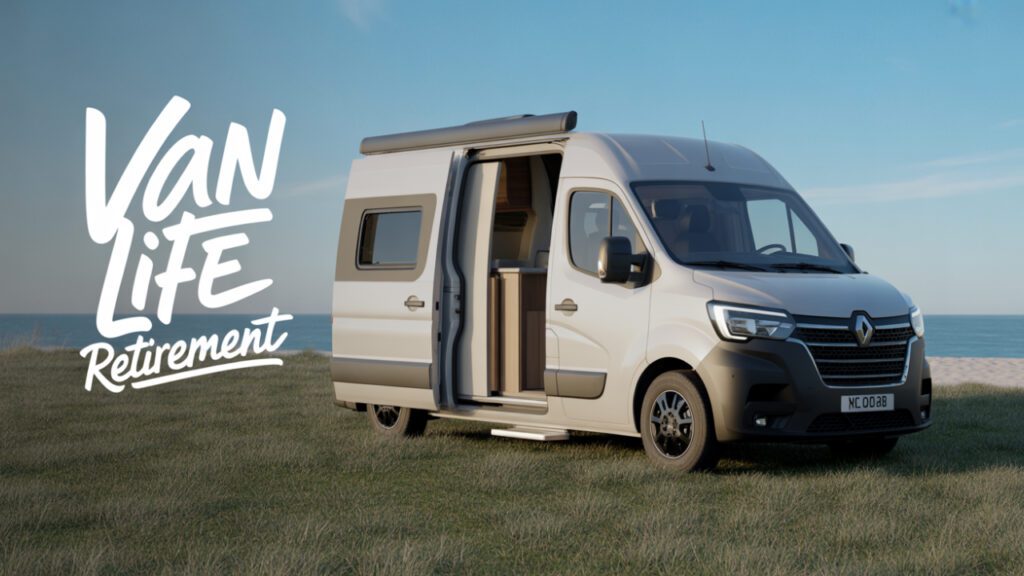
Retire To Vanlife
Summary: I share clear steps and honest advice about moving into vanlife after fifty. You’ll learn how to plan, save, pick a van, stay healthy, and join the community. The guide is hands‑on and made to help you try this new life with less worry.
Why choose vanlife after fifty?
Later in life, I chose van life to enjoy more freedom and a simpler lifestyle. I love slow travel and feel less pressure from career demands, but I also stay mindful of safety and health. Many people are drawn to van life for the same reasons: it can cost less than a big house, offers mobility and quiet, and feels like a small, mobile cabin. You trade clutter for scenery, keep warm memories, and explore new towns at your own pace. Living costs and van conversion budgets affect how you plan, and below I explain practical steps to make van life work for seniors.
Is it safe for retirees?
Safety is my top priority on the road. Before every trip, I check brakes, seats, and doors, and I plan my routes along main roads at first. I stay connected with groups so someone always knows where I am, and I carry a basic first-aid kit along with copies of my medical records. Many parks have rules and camp host checks, so I make sure lights and locks are in good working order. Mobile healthcare options are also important — telehealth services and local clinics provide support when I’m traveling. By taking small steps, testing short trips first, and gradually going farther, I reduce risks and build confidence for longer journeys.
How to plan your first year
Begin with a one-month plan to ease into van life. Start by listing essentials, such as medications and important paperwork, and set a budget for fuel and emergency repairs. Take a short weekend trip to get familiar with the van’s routines, including parking, opening, and closing procedures. Plan where to sleep, where to refill water, and check local rules for campgrounds and national parks. Keep a handy list of phone numbers and repair shops along your route. Focusing on one season at a time makes the transition less intimidating and helps reveal hidden costs you might not have anticipated.
Van types: cargo, panel, or camper?
Choose the van that fits your goals. Cargo vans give a blank slate for conversion. Panel vans are simple and smaller. Camper vans are built for living and often include water and power. I weighed size, cost, and ease of driving. A smaller van is easier in towns and on narrow roads. A larger van fits more comforts. Think about height too – can you stand up? Think also about insurance and maintenance. Van conversion skills help if you DIY, but a professional fit-out may suit you if you prefer no fuss.
Budgeting: upfront and ongoing costs
Budgeting for vanlife means two buckets: set-up and monthly. Set-up holds van purchase, conversion, and gear. Monthly holds fuel, food, internet, and campground fees. I made a spreadsheet to track both. I saved for an emergency fund. Repairs often surprise you. Also, camping longer in free spots cuts costs. But free spots may lack services. Balancing spending and comfort helps a lot. A small diesel van may save fuel. But parts and service cost vary by make. I share sample numbers in the table below.
Health, medications, and mobility
I keep a list of my medications and refill plans and always check with my doctor before longer trips. For medicines that need refrigeration, I pack a small cooler. To make van entry easier, I use a folding cane and a small step, and if you need physical therapy, it’s wise to locate clinics along your route. Mobile healthcare and telehealth options make travel safer, while simple daily stretches help keep joints flexible. Getting proper rest, keeping a regular sleep schedule, and planning rest days between long drives are surprisingly important for staying healthy on the road.
Downsizing: what to bring and what to leave
Downsizing feels weird. I kept a few prized books and gave away heavy furniture. I swapped full-size tools for compact sets. Keep items you use every day. Donate or sell the rest. Think in categories: clothes, kitchen, tools, docs. Use storage bins with labels. I suggest one box for keepsakes you visit rarely. Use digital copies for paperwork. The goal is small, useful items that fit in drawers. Less clutter equals more calm on the road.
Van conversion basics I learned
Insulation and ventilation matter. A Must have add a roof vent and window shades. Affordable foam insulation in walls. I wired a simple 12V system with a deep-cycle battery. Solar panels help charge the battery if you stay off-grid. I built a small kitchen with a camp stove and a sink that uses refillable water jugs. Safety wiring and fuse panels are crucial. If you are not handy, hire an installer for the electrical parts. That cost saves stress later.
Power and water setups
Power choices include shore power, battery, and solar. I use a small solar panel to keep the battery topped. A portable power station can run small appliances. Water works with jugs, a small pump, and a sink. I keep separate jugs for drinking and washing. A shower bag works for short rinses. I also carry a spare hose and water filter. Conserving water is key when you boondock. Small changes, like sponge baths and quick dish rinses, save gallons.
Navigating campgrounds and laws
Campground rules and national park laws differ by place. I read rules before booking. Some spots restrict overnight parking or generator use. Others require reservations months ahead. I respect quiet hours and pack out trash. Find local ranger stations for questions. Also, many cities have strict parking rules so I avoid overnight street parking there. Apps and forums help find legal spots. Obey rules. It keeps vanlife legal and lowers fines.
Finding community and making friends
I joined vanlife groups and local meetups. Coffee shops and small diners are social spots. I volunteer at local events to meet people. Many fellow travelers share tips and watch your van when you need. Community lowers loneliness and raises joy. It also becomes a safety net when repairs are needed. Don’t be shy—say hi. You’re likely to get good advice and a warm meal now and then, too.
Daily routines that keep life smooth
Routines calm me. When making coffee, check water, and do a 10-minute tidy each morning. Check my plan for driving hours and stop before dusk. I log mileage and fuel. Most of all keep receipts for budgeting. Small habits like locking doors and checking battery levels cut stress. Routines make the van feel like home. They also free mental energy for exploring and meeting people.
Work, hobbies, and staying active
I kept some freelance work while traveling. Wi-fi and mobile hotspots help. I also built time for hobbies like walking, birding, and reading. Exercise keeps me feeling strong. I set small daily goals, like a one-mile walk or a short sketch. Hobbies make days richer. They also add purpose beyond travel photos and maps.
What I wish I knew before I left
What I wish I knew before leaving for van life is how much I would miss certain home comforts and how important a solid emergency fund can be. I would have planned phone service zones in advance and learned basic van maintenance—like changing a tire and checking belts—before my first long trip. Taking time for short practice runs and building simple checklists ahead of time can save a lot of headaches on the road.
Conclusion: Is vanlife right for you?
Vanlife after fifty can be deeply freeing. It asks you to trade things for time and views. You may find new friends and quiet mornings. You may miss a fixed address. Start small. Test short trips. Budget with care. Keep health checks current. Listen to your feelings and adjust. If you love slow days, new skylines, and fewer things, you may love this life. Give it a chance and keep safe. Enjoy the road.
Quick reference table: costs and choices
| Item | Typical Cost |
|---|---|
| Used cargo van | $15,000 – $35,000 |
| Conversion (DIY) | $3,000 – $15,000 |
| Solar + battery | $800 – $6,000 |
| Monthly living | $800 – $2,000 |
5 Frequently Asked Questions
1. How much does vanlife cost per month?
Costs vary. I spend about $1,200 a month. That covers fuel, food, and occasional camping fees. You can spend less if you boondock more. Plan a buffer for repairs.
2. Can I get health care on the road?
Yes. Telehealth plus local clinics cover most needs. I keep a list of nearby hospitals and a meds refill plan. Mobile healthcare options are growing and helpful.
3. Where can I park overnight?
Use campgrounds, some retail parking (check rules), and legal dispersed sites. Apps help find spots. Avoid overnight city street parking where banned.
4. Do I need solar panels?
Solar is great for freedom but not required. A small battery or shore power works too. I recommend solar if you boondock often. It reduces generator runs and noise.
5. How do I meet other vanlifers?
Join online groups, go to meetups, or stay in community campgrounds. Coffee shops, volunteer days, and local events often bring folks together. Be open and kind.
LSI keywords used in this article: van conversion, senior travel, budgeting for vanlife, mobile healthcare, campground rules.