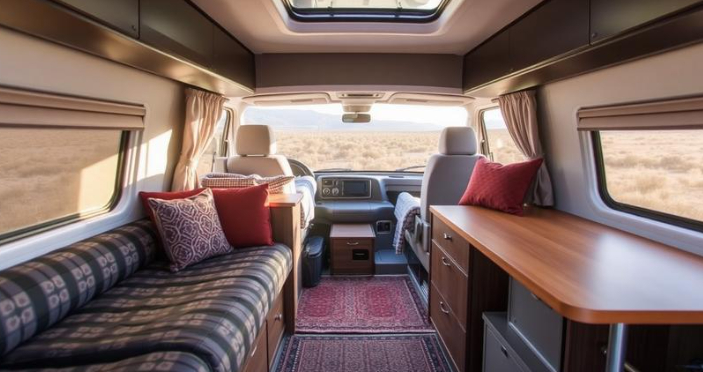
Grey Nomads: The Honest Guide To Hitting The Road After 55
Grey Nomads Across Australia are taking about 15.2 million caravan and camping overnight trips a year, and a huge part of that crowd is older travelers just like us, often called grey nomads.
We wanted to put together a clear, no-nonsense guide, so you can decide if this life actually fits you, your budget, and your energy.
Key Takeaways
| Question | Short Answer |
|---|---|
| What is a grey nomad? | Someone 55+ who travels long term in a van, camper, or RV. |
| How much does it cost each month? | Typical van life costs run about $800 to $2,000 per month. See our detailed breakdown at this van life costs guide. |
| Can I test van life first? | Yes, start with short trips, then longer loops, before you rent out or sell home. |
| Do I need a big motorhome? | No, many grey nomads prefer campervans small enough for easy parking. |
| Can I work on the road? | Yes, there is casual work for grey nomads on farms, in parks, and online. |
| Where can I get a full retirement-to-van plan? | Use the step‑by‑step roadmap at Retire to Vanlife Guide. |
| How do I check if I’m ready? | Take this quick van life retirement readiness quiz to see your gaps. |
Who Are Grey Nomads And Why Are We Everywhere?
When we say grey nomads, we simply mean older travelers, usually 55 and over, who spend months or even years on the road.
Some stay in caravans, some in campervans, some in big motorhomes, but the heart of it is the same, we trade a fixed address for a rolling one.
Most of us are retired or semi retired, but not all.
Some still work part time, or do seasonal jobs as they travel, using the road as a moving backyard.
Many trips are in regional areas, small towns, and national parks, where life feels calmer and slower.
That is a big reason older travelers love this lifestyle, we can chase warm weather, avoid crowds, and stretch our savings further.
Why So Many Seniors Choose The Road Over A Rocking Chair
We hear the same reasons again and again in every grey nomads forum and campground chat.
People want freedom, less stuff, more time outside, and more control over costs and lifestyle.
In one recent year, caravan and camping trips made up about one in eight domestic overnight trips in Australia.
That tells us this really is not a fringe idea anymore, it is almost normal.
Instead of a big house, many of us prefer memories, sunsets, and new friends in tiny towns.
There is also a quiet fear we hear often, people do not want to look back at 80 and think, “Why did I never go”.
Typical Costs For Grey Nomads: What We Really See
Money talk can feel dry, but it is where most grey nomad dreams either work or fail.
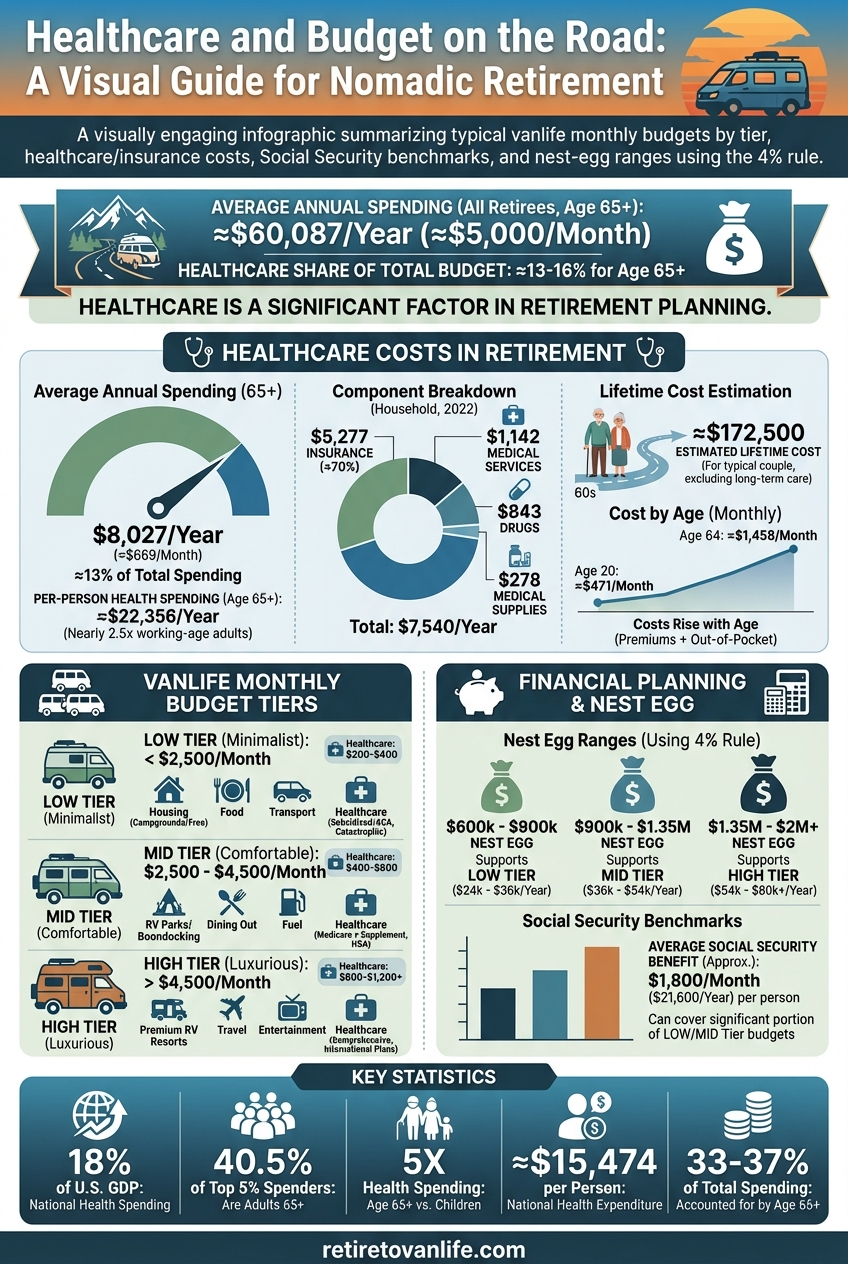
From our experience and the numbers we track, a simple van life for seniors usually sits between $800 and $2,000 per month.
That needs to cover fuel, camping fees, food, van insurance, phone, and little repairs.
Upfront, many people spend around $19,500 for a used van, basic conversion, and paperwork, as one sample budget in our guides shows.
| Cost Item | Illustrative Amount (USD) |
|---|---|
| Used van purchase | $12,000 |
| Conversion materials | $6,000 |
| Registration, taxes, misc. | $1,500 |
| Total startup sample | $19,500 |
We always suggest you play with a cost calculator and your own numbers first, because each couple or solo traveler has different habits and comfort levels.
If you want to see how fuel, insurance, and maintenance might stack up, you can also explore the free tools at sites like RV LIFE Trip Wizard to map long drives and estimate costs.

Discover how grey nomads enjoy freedom, travel, and savings. This infographic highlights five benefits of nomadic living.
Choosing The Right Rig: Grey Nomads – Campervans, Small RVs, Or Caravans?
This is where things get personal fast, since our bodies, driving confidence, and budgets all differ.
Many grey nomads like campervans small enough to park at the supermarket, but still big enough for a real bed and compact kitchen.
Small Campervans For Seniors
Compact vans are easier on stiff shoulders and sore backs, because you are not wrestling a huge bus in tight streets.
They are often cheaper to run, especially on long outback or coastal stretches.
Caravans And Tow Vehicles
Caravans give more living space and a homelike feel, which some couples really value.
But towing at our age can be tiring, especially in wind, traffic, or bad weather, so we suggest regular rest days.
Motorhomes And Class C RVs
For those who want their home and engine in one unit, a small motorhome can work well.
You do need to factor in bigger service bills though, so a careful maintenance budget matters.
Safety, Security, And Peace Of Mind For Grey Nomads
We know many older travelers quietly worry about safety more than they admit.
The good news is that with some simple van safety upgrades, a lot of that fear melts away.
Practical Safety Upgrades
Better brakes, newer tires, and clear lighting are boring topics, but they save lives in wet or dark conditions.
We also like basic theft protection, like steering locks, hidden kill switches, and decent door locks.
Immobilisers And Theft Deterrents
An immobiliser can make your rig a very unattractive target for thieves.
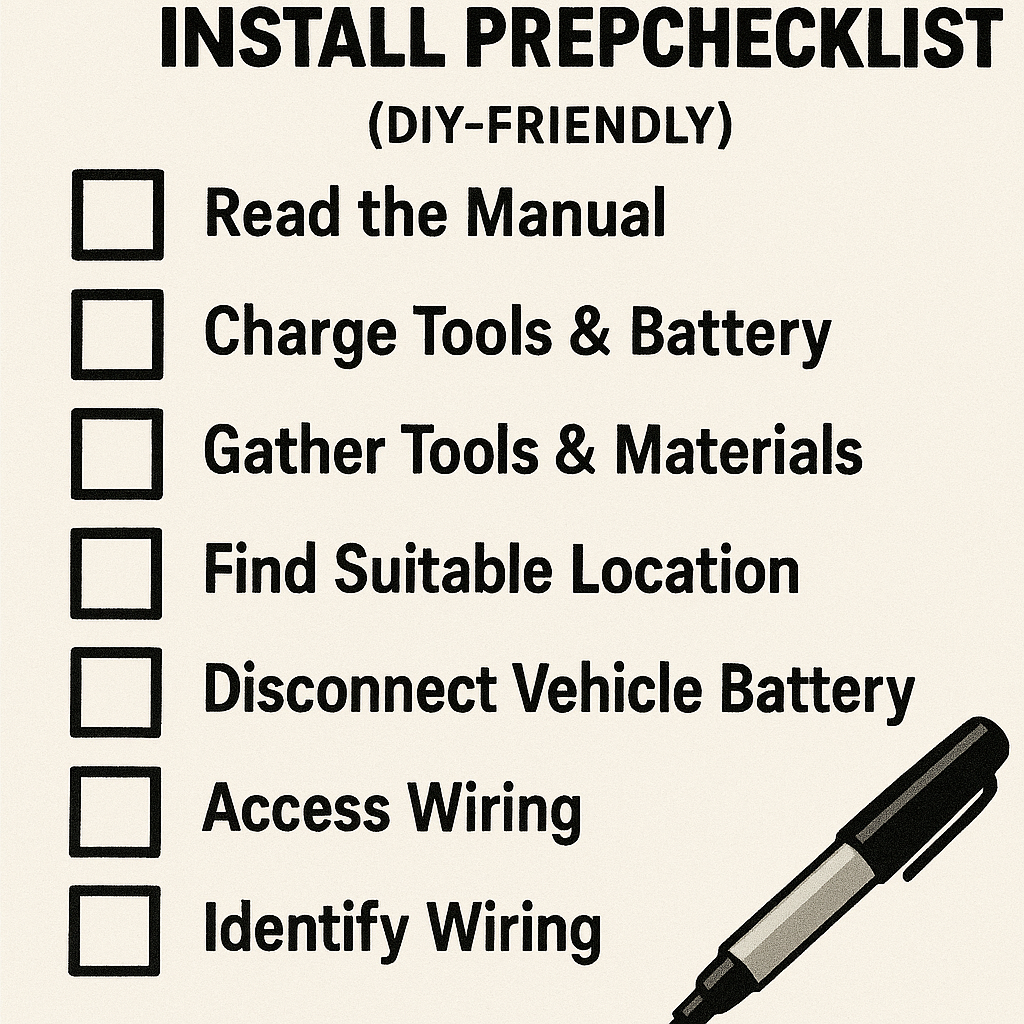
We suggest following a simple checklist for installation readiness so nothing important gets skipped.

Grey Nomads – Health, Routine, And Staying Well On The Road
Being a grey nomad is not only about the rig, it is also about our bodies and minds.
We see two big traps, giving up all routine, or pushing too hard to see everything at once.
Medical Planning For Grey Nomads
Before long trips, we always advise a full checkup, fresh scripts, and copies of your medical history.
Many seniors also keep a brief health summary taped inside a cupboard, so it is easy to find if something happens.
Daily Habits That Help
Simple habits matter a lot, like walking morning and evening, stretching tight joints, drinking enough water, and setting realistic driving hours.
We tell folks to treat each driving day like a work shift, with breaks, food, and a clear end time.
Making Money On The Road: Work For Grey Nomads
Not all of us can or even want to sit still and just spend our savings.
Many grey nomads pick up casual work to top up the travel fund or simply keep a sense of purpose.
Seasonal And Local Jobs
Common on-the-road jobs include campground hosting, cleaning, reception, or gardening at caravan parks.
Some do fruit picking, farm sitting, or help in country pubs during busy seasons, which also gives great local stories.
Remote And Online Work
If you have strong internet and a laptop, you might consult, tutor, write, or support small businesses from your rig.
For some, even a tiny monthly side income can cover fuel, so the pension or savings are less strained.
Grey Nomads House Sitters Wanted: Living Cheaply Between Trips
House sitting has quietly become a secret weapon for many long term travelers.
You get a driveway for your rig, a real bathroom, often a garden, and sometimes even a pet to spoil, all in exchange for keeping a home safe.
Why House Sitting Suits Older Travelers
Owners like the steady, calm presence of retirees, and we are often home most evenings.
It can give you a break from driving, and help you stay in expensive areas without park fees.
Mixing House Sits With Van Life
Some grey nomads bounce between house sits and van trips, stretching their budget and energy.
During hot seasons or school holidays, when caravan parks are busy and pricey, a quiet house sit can feel like a mini retreat.
Senior Tours Australia Vs Independent Grey Nomad Travel
Many people ask us if they should join structured senior tours in Australia, or just do their own grey nomad thing.
Both paths can work, and sometimes a mix is best.
| Option | Best For |
|---|---|
| Senior tours Australia | Those who like fixed schedules, guides, and not driving themselves. |
| Independent grey nomad travel | Those who like flexible plans, longer stays, and slower, cheaper travel. |
Tours are helpful if you are nervous about remote areas, or you want a short, safe test of travel.
Independent van or caravan travel suits people who enjoy planning and do not mind a few surprises.
Community, Grey Nomads Forums, And Not Feeling Alone
One unexpected gift of this lifestyle is the community feeling out on the road.
You pull into a rest stop or campground, and within an hour someone has shared tea, stories, and maybe a toolbox.
Using A Grey Nomads Forum Wisely
Online forums can be gold for real world reports on roads, campgrounds, and places to avoid.
We do remind people to treat every tip as a clue, not a rule, since each traveler has different comfort levels.
Local Connections
It also helps to chat with locals at visitor centers, libraries, and small cafes.
They often share free camp spots, low key events, and short walks you will never see in a brochure.
Planning Your First Year As A Grey Nomad
We like to plan the first year in three stages, testing, stretching, then settling into a rhythm.
This way you do not throw your entire old life away in one big leap.
- Short Test Trips of one to three weeks, to see what breaks and what you forgot.
- Longer Loops of one to three months, to test weather, fuel costs, and your energy.
- Full Season on the road, only after you are happy with the rig and routines.
Some people keep their home for the whole first year, renting it out while they travel.
That way there is a clear safety net if life on the road just does not feel right.
Conclusion
Being a grey nomad is not a perfect life, but it can be a deeply satisfying one.
You get simpler days, changing views, and a sense that your later years are still full of firsts, as long as you plan your costs, your health, and your rig with care.
If you are curious, start small, test often, and listen to both your budget and your gut.
The road will always be there, and you can join it at your own pace.
Now you’re thinking about van life after 55, you might find the rest of our Senior Van Life guides for Australians helpful as you plan your own path.
Frequently Asked Questions About Grey Nomads
1. What age counts as a grey nomad?
Most people use the term for travelers 55 and over, but there is no strict rule.
The real test is your style, long trips, slower pace, and often semi retirement.
2. Do I need a lot of money to be a grey nomad?
You do not need to be rich, but you do need a clear budget.
We often see simple setups working on around $1,200 to $1,500 per month for a couple.
3. Is van life safe for seniors?
With a roadworthy vehicle, good brakes, and smart camp choices, it can be quite safe.
We suggest day driving only, trusted campgrounds at first, and regular check ins with family.
4. Can I still travel if I have health issues?
Many grey nomads live with health conditions, they just plan carefully.
Talk to your doctor, store medicines well, and keep a simple health summary with you.
5. How do I know if grey nomad life is right for me?
Short trips will tell you more than any article or video.
Try a few weeks, notice how you feel, then decide if you want more or prefer home comforts.
Summary Snippet: Grey nomads are older travelers who swap fixed homes for caravans, campervans, or RVs and spend months exploring regional areas on a budget. With costs often between $800 and $2,000 a month, simple safety upgrades, and smart health planning, many retirees find van life a practical, rewarding way to enjoy freedom, sunshine, and community in later life.

As an affiliate, I earn from qualifying purchases at no extra cost to you.